
A new artificial intelligence system developed by The Hague-based Veridi Technologies, in collaboration with Wageningen University & Research (WUR), marks a breakthrough in identifying nematode species. Normally this is complex, costly, and requires specialised expertise, which is available only at a limited number of places worldwide. This AI system can now independently recognise the root-knot nematode Meloidogyne chitwoodi through a microscope. In tests, its performance matched that of an experienced taxonomic nematologist.

“This breakthrough demonstrates how artificial intelligence can make highly specialised biological expertise accessible at scale. Healthy soil is the foundation of our food systems, and food security is closely linked to social and economic stability. When farmers have reliable tools to understand what is happening beneath their fields, they can make better decisions, reduce unnecessary chemical use and protect yields. In that sense, investing in soil health is also investing in a more resilient and ultimately more balanced world.”
Why nematode identification matters for food security
Healthy soil is essential for global food production. Yet beneath the surface lies an invisible ecosystem that can either support or undermine crop growth. Nematodes – microscopic worms measuring between 0.2 and 3 millimetres – are present in virtually all soils. While many species contribute positively to soil health, others cause severe agricultural damage.
Harmful nematodes such as root-knot and stem nematodes affect crops including ornamental flower bulbs, onions and seed potatoes. Infected crops may become deformed or unsuitable for export. Researchers estimate that plant-parasitic nematodes reduce global agricultural output by around 10 per cent, costing growers tens of billions of euros annually.
Effective management depends on knowing precisely which species is present.
AI breakthrough in nematode diagnostics
To address this bottleneck, Veridi Technologies developed an AI-based identification system integrated into its advanced microscope platform, the Nemascope™. The company, headquartered in The Hague, specialises in applying artificial intelligence to biological diagnostics. Working closely with WUR nematode experts, the Veridi team trained the AI model using thousands of accurately annotated microscope images. Wageningen researchers supplied verified specimens from controlled cultures and conducted validation checks to ensure scientific reliability.
The first target species was Meloidogyne chitwoodi, also known as the Columbia root-knot nematode — one of the most difficult species to distinguish due to its close resemblance to related variants. Successfully identifying such a complex species provided a rigorous test for the system. In trials, the Nemascope™ achieved 96 per cent accuracy in identifying Meloidogyne chitwoodi. The results confirm that AI can play a decisive role in modern nematode diagnostics.

Accurate identification is central to Integrated Nematode Management (INM), which aims to control harmful species while reducing reliance on chemical nematicides. Measures vary significantly by species: some decline through crop rotation or green manures, others respond to adjusted cultivation timing, and in certain cases more intensive measures are required. For regions where specialist laboratories are scarce, an affordable and reliable identification tool could be transformative. It opens the door to more data-driven soil management and greater resilience in food production systems.
Expanding AI for soil biodiversity monitoring
Veridi Technologies and WUR are expanding the system’s capabilities through a European Innovation Council-supported programme. The next phase focuses on identifying non-parasitic, free-living nematodes, which serve as key indicators of soil biodiversity. This development aligns with the recently adopted European Soil Monitoring Law, which places increasing emphasis on measurable soil health and biodiversity indicators. AI-powered diagnostics can support policymakers and farmers alike in meeting these new standards.
Read more
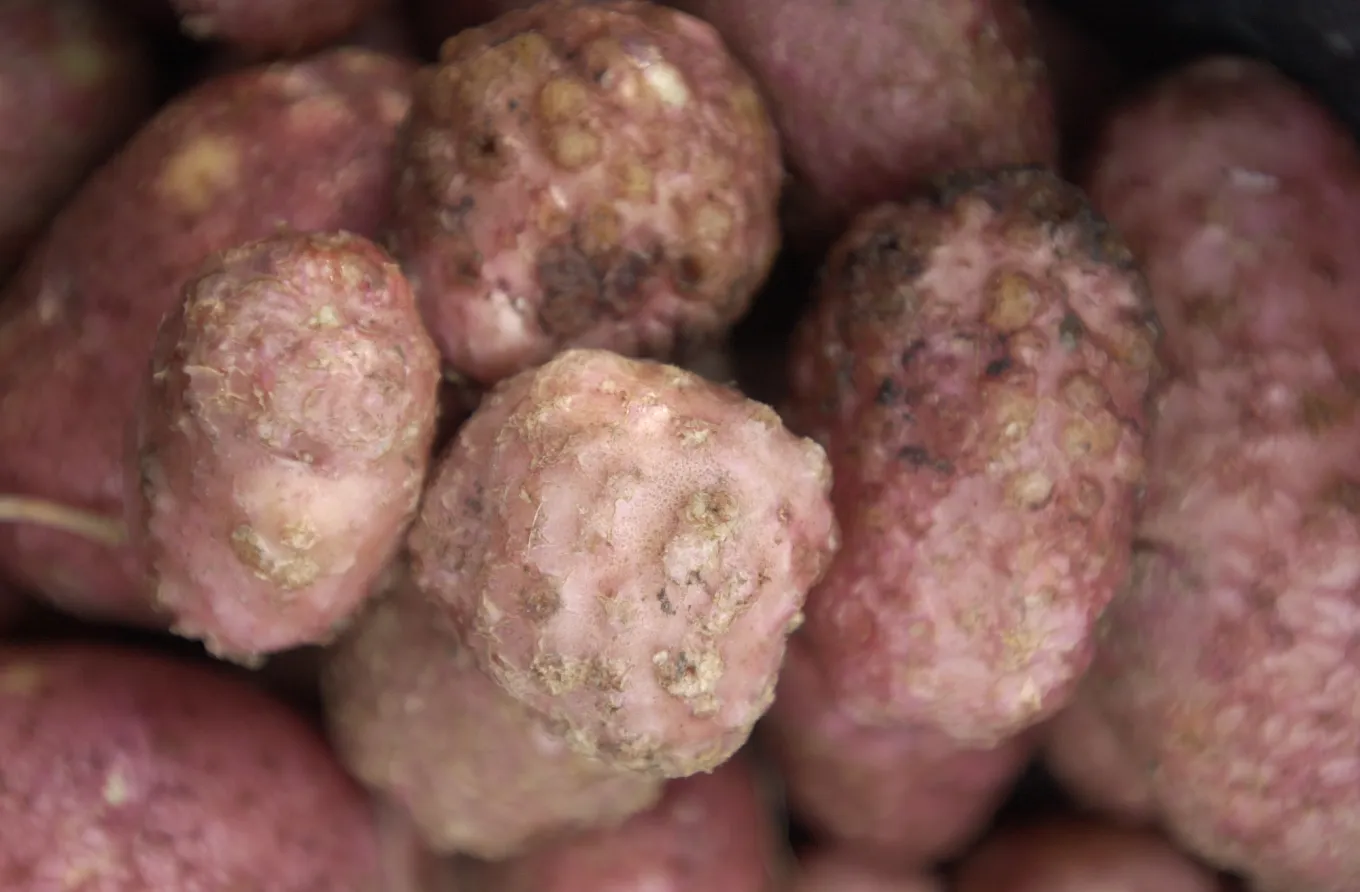
Breakthrough in AI-based nematode identification
To manage harmful nematodes in agriculture effectively and sustainably, it is essential to know exactly which species is present. Researchers at WUR are contributing to the development of an AI-based identification system for nematodes.
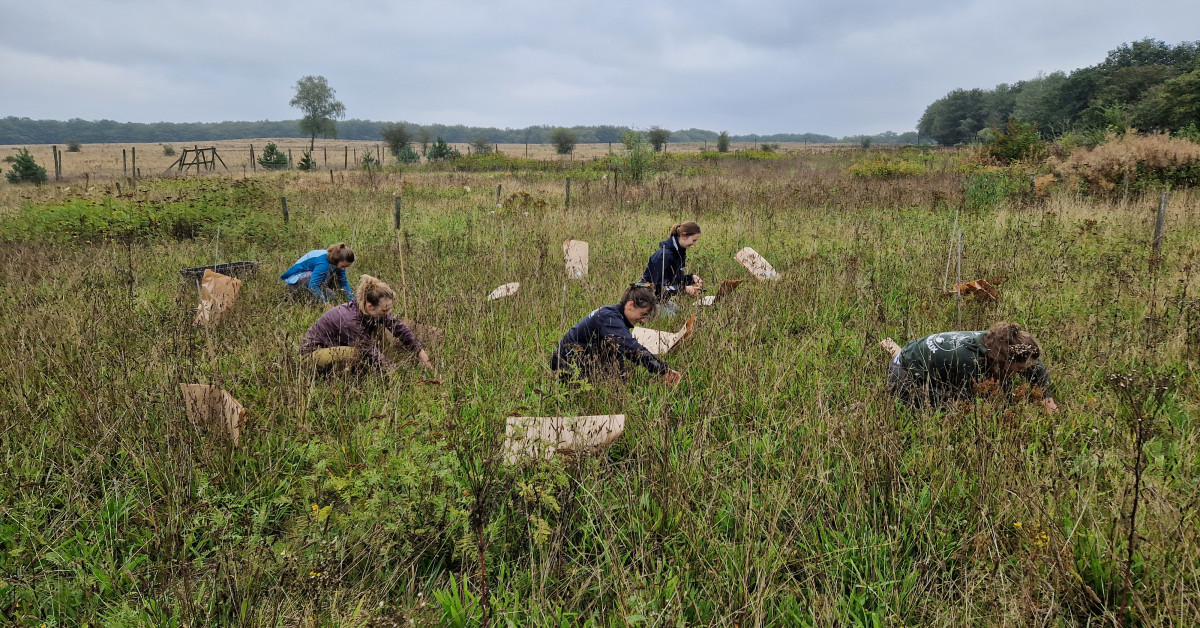
Soil ecology runs deep
For a long time, the soil was the domain of chemistry and physics. This only changed forty years ago. Then attention also started to be paid to the biology and ecology of soils. Today, the soil has become a large and indispensable field of research. The Netherlands Institute of Ecology (NIOO-KNAW) has been uncovering the role of soil life for a healthy underground and aboveground ecosystem for several decades. Soil life also contributes to nature restoration, for example through soil transplantation and tackling invasive plants.
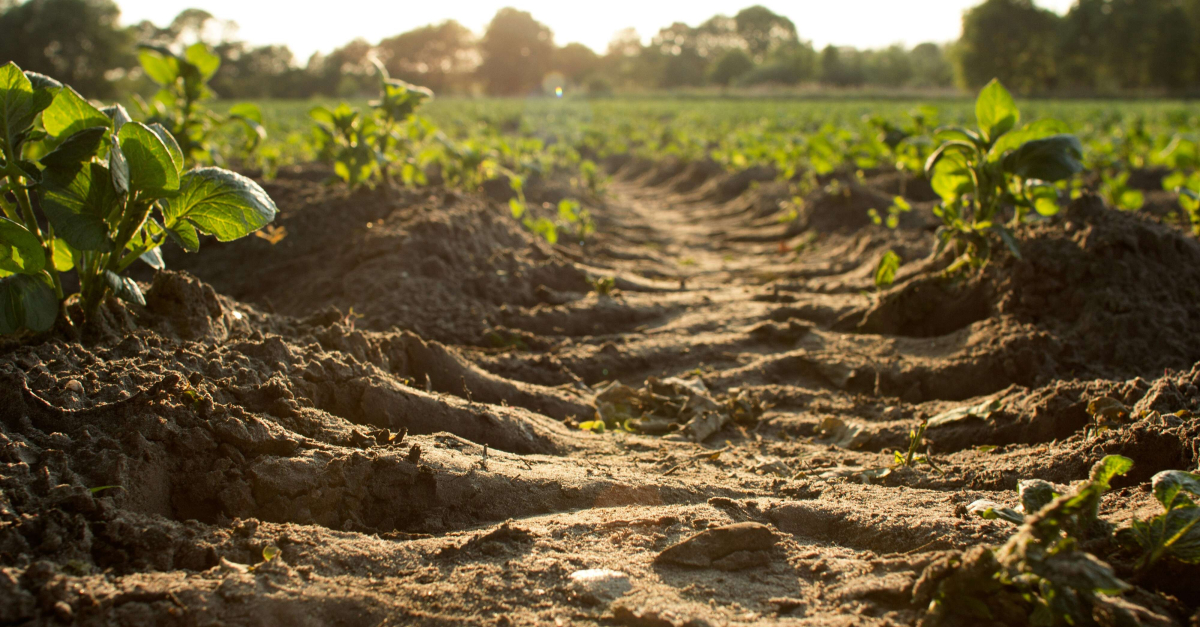
Soil expert, Veridi Technologies, secures € 2,5 million for soil biodiversity diagnostics
Urbanization influences soil carbon (C) stocks and flows, which, in turn, affect soil-derived ecosystem services. This paper explores soil C storage in urban greenspaces in the Dutch city of The Hague along a transect from the suburban seaside towards the city centre, reflecting a toposequence from dune to peaty inland soils.

More on Impact

Protecting Dutch waterways from crayfish invasion

How a startup in The Hague is protecting our planet and its people
