
Recycling plastics remains a challenge, especially for mixed plastic waste. In The Hague, the Netherlands Organisation for Applied Scientific Research (TNO) has developed a method that could improve how plastics are reused. Its Möbius programme focuses on “dissolution” recycling, a process designed to recover high-quality materials from waste streams that are often difficult to process.

Bridging a gap in plastic recycling
The conventional methods used in recycling plastics have some downsides. For example, mechanical recycling, which accounts for 98% of recycled plastic output globally, degrades the plastic's quality, while chemical recycling is energy-intensive due to the need for high heat and pressure during the extraction process.
TNO has developed a dissolution technology that is energy efficient and recovers high-quality plastic polymers. This process separates mixed plastic waste at a molecular level using solvents, without downgrading the quality of the material itself. This technology is able to simultaneously recover other critical raw materials such as flame retardants.
The programme targets waste streams that are typically hard to recycle, including plastics from electronics and end-of-life vehicles. According to the OECD, only 9% of global plastic waste is ultimately recycled. By making the process more cost-effective and with a lower carbon footprint, the Möbius programme could make plastic waste recycling more viable on an industrial scale.
Testing pathways to scale
With the Möbius LETO, a pilot designed to scale the Möbius dissolution technology, TNO is working with industrial partners like LEGO, BIC, and Volvo to test how the materials can be used in real-world applications, such as toys, automotive parts, and packaging. Currently operating at Technology Readiness Level (TRL) 5 and 6, the technology is moving towards commercial capability.
By enabling high-quality reuse, this dissolution technology could reduce reliance on raw materials and lower emissions linked to plastic production.
How dissolution recycling works
Dissolution is a recycling method that uses solvents to selectively dissolve specific polymers from mixed plastic waste. Unlike chemical recycling, the polymer structure remains intact.
The process enables:
- Separation of polymers from mixed waste streams
- Removal of additives such as pigments and flame retardants
- Recovery of both purified polymers and valuable additives
The result is a material that can be reused in similar applications, avoiding the “downcycling” often seen in mechanical recycling.
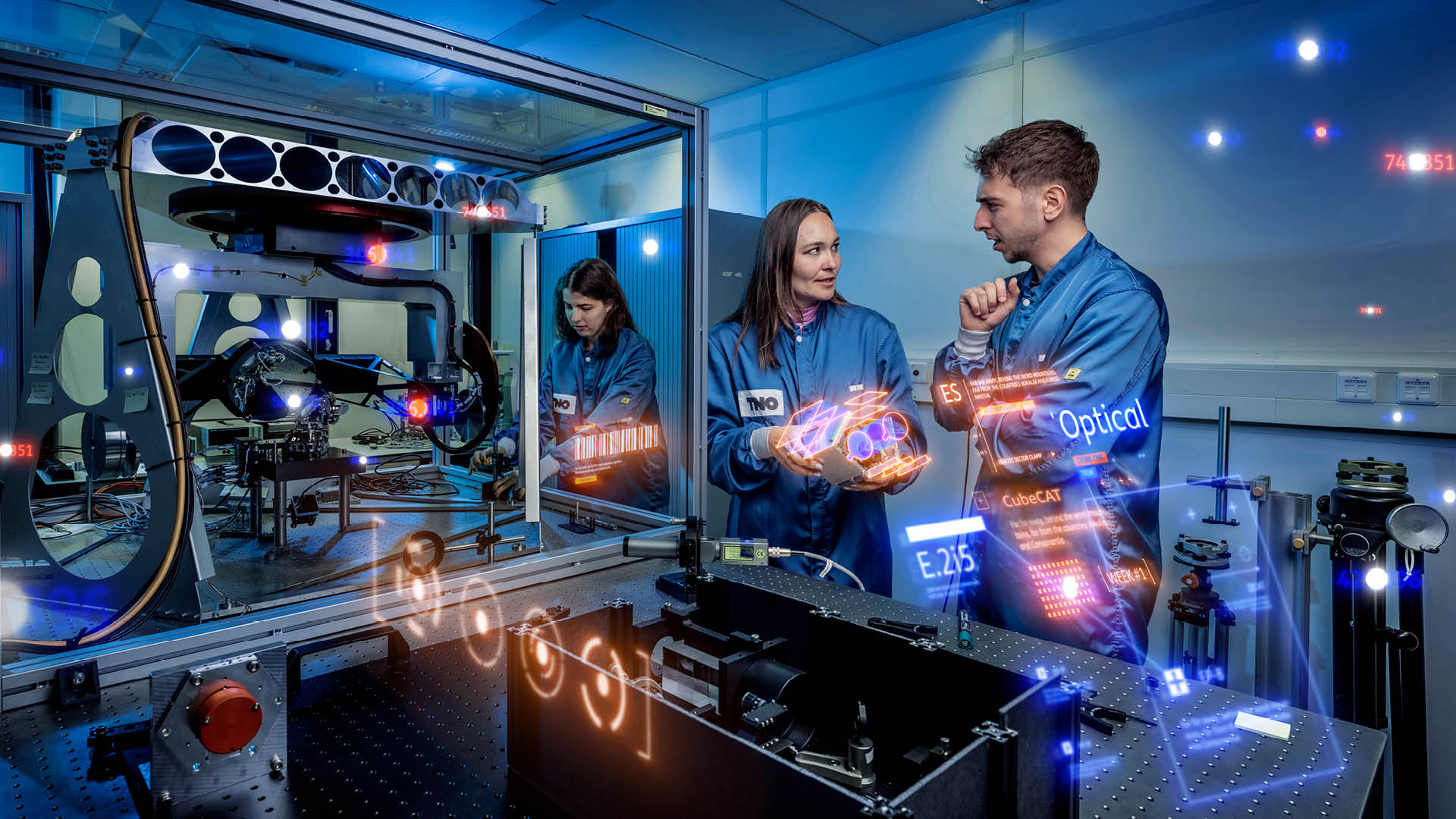
Recycling plastics through dissolution
Recycling plastics using dissolution is environmentally friendly and resource efficient. Find out more about TNO's recycling technology.


Circular Plastics NL
Circular Plastics NL (CPNL) is an initiative within the National Growth Fund. The goal is to make plastics fully circular and use subsidies to accelerate the transition. The program started in 2023, runs for eight years and has eight program lines. The program lines focus on bottlenecks in different value chains to close the cycles for existing plastics.


How celebs like Gwen Stefani wear recycled felt fashion - made in The Hague
Gwen Stefani and Camilla Cabello are wearing recycled felt fashion with little pieces from i-did in The Hague by Ronald van der Kemp for Trashure.

More on Impact

How The Hague is preparing for a future with rising seas

Protecting Dutch waterways from crayfish invasion
