
An inventory list of the possessions of philosopher Baruch Spinoza, dating from 1677, has become the first archive item to enter a remarkable new storage facility in The Hague. Located inside a former Cold War nuclear bunker, the new archive repository adds more than four kilometres of storage space to safeguard the city’s documentary heritage for generations to come.

The Hague has opened the facility, known as Depot N, for the Hague Municipal Archives (Haags Gemeentearchief). Situated beneath the Schedeldoekshaven in the former government emergency shelter De Noodzetel (The Emergency Seat), the complex comprises five state-of-the-art repositories and provides an additional 4,136 metres of shelving capacity.
“This bunker was once built to keep people safe in times of crisis. Today, it protects the memory of our city for future generations. We urgently needed the extra space. The Hague Municipal Archives already manages around 20 kilometres of shelving beneath City Hall, but that capacity is almost fully occupied. Depot N adds more than four kilometres of new archive storage.”
Depot N
Depot N has been developed to meet the highest standards of archival conservation. All five repositories are equipped with an oxygen reduction system that keeps oxygen levels so low that fires can barely ignite. Even a lighter flame extinguishes almost immediately in the controlled environment.
Cold Vault climate
Four repositories maintain a constant temperature of 19°C and a relative humidity of 50 percent. A specially designed film repository – known as the cold vault – remains permanently at 5°C and 35 percent humidity, creating ideal conditions for preserving film collections for hundreds of years.
The facility also features advanced fire protection systems, water detection technology, climate control installations, energy-efficient LED lighting, and connections to district heating and thermal energy storage systems.

A bunker with a new purpose
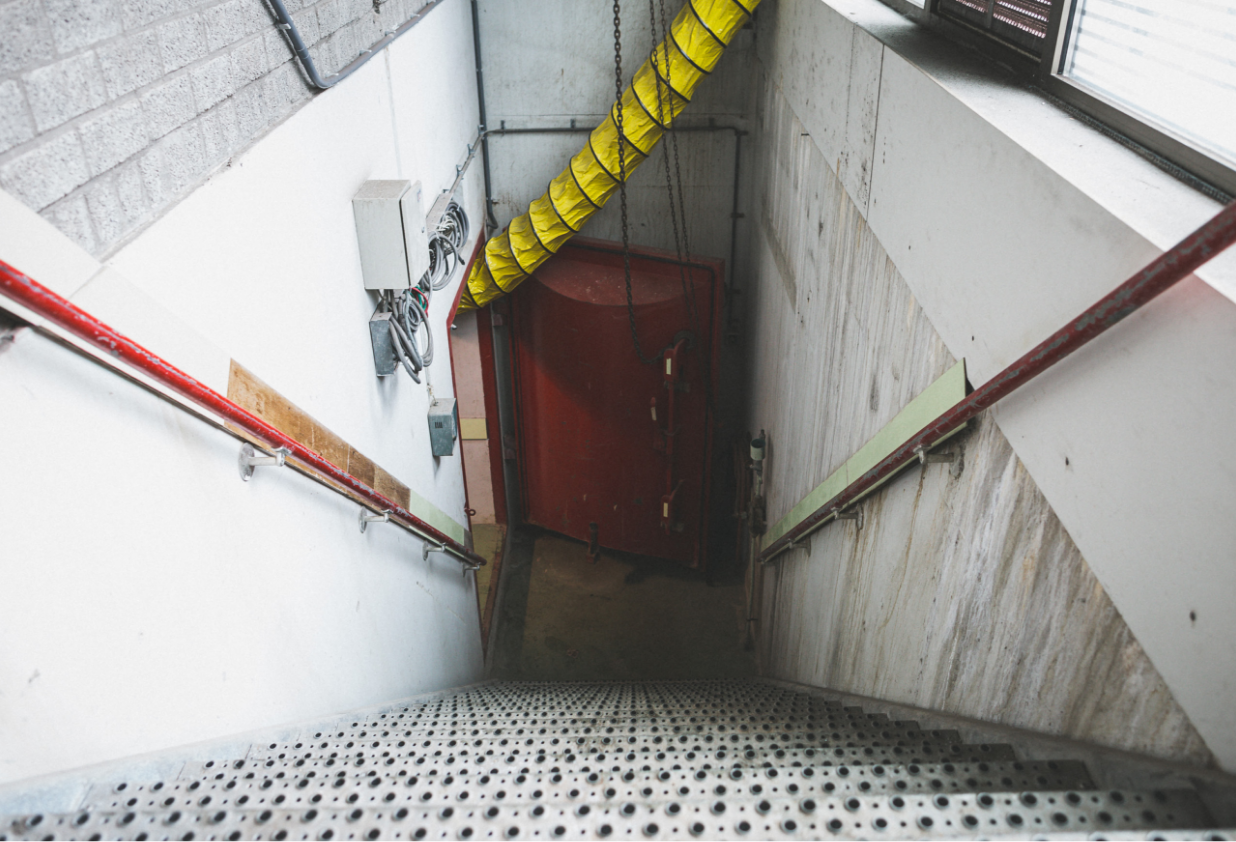
Constructed in the mid-1970s as a nuclear shelter for the Dutch national government, the bunker was designed to accommodate 206 civil servants who could continue operating there for months in the event of a major emergency.
With walls measuring 80 centimetres thick and a ceiling made from one metre of reinforced concrete, the complex was considered one of the safest locations in the Netherlands.

Subterra
The underground complex has already found a new life in recent years. One level below Depot N, the former emergency shelter now houses Subterra, an underground music hub with 17 recording studios and rehearsal spaces. The transformation has turned part of the Cold War bunker into a creative home for musicians and producers, while preserving the unique character of the site.

Now, another section of the bunker has been repurposed to protect The Hague’s historical collections. In the coming months, the city’s civil registry records, an extensive film collection and the archives of the Hague Nut Savings Bank will be transferred to Depot N.
Spinoza
The official opening was marked by the placement of the first archive item into the new repository: an inventory list documenting the possessions of Baruch Spinoza, one of the most influential philosophers of the Dutch Golden Age.
Spinoza spent the final years of his life in The Hague, living on the Paviljoensgracht, where he completed much of the work that would become his philosophical masterpiece, Ethics (Ethica). More than three centuries later, a document linked to one of the city's most influential residents has become the first item entrusted to one of its newest and safest archive facilities. Next year In 2027, The Hague will commemorate the 350th anniversary of Spinoza’s death in The Hague.

Read more
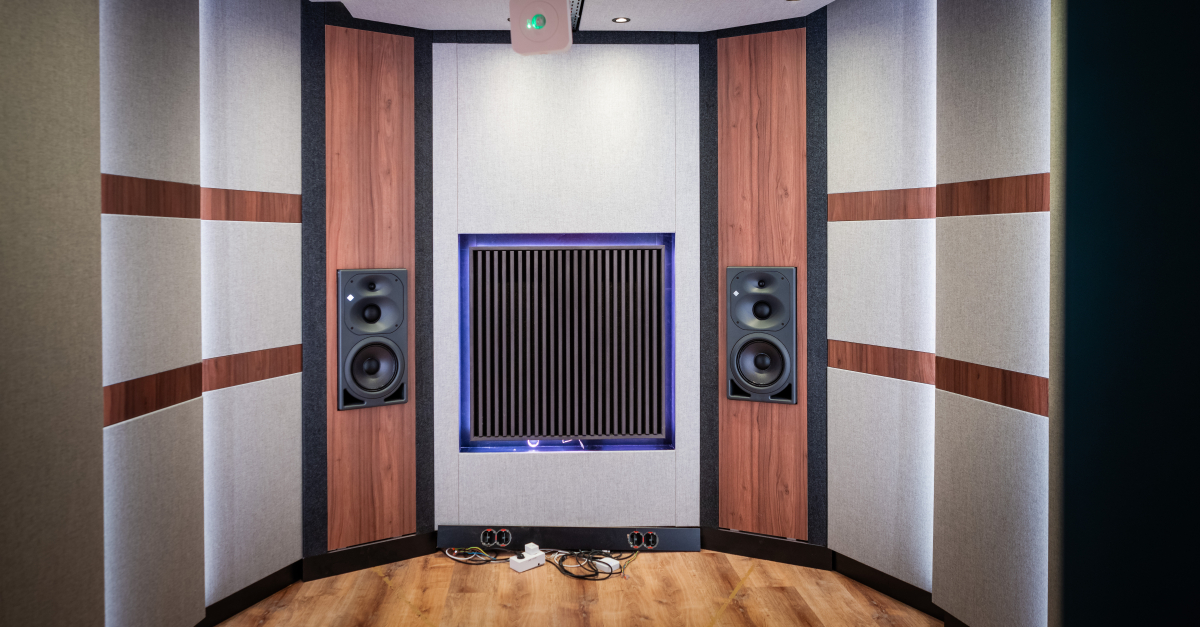
The Hague unites 17 music studios in former atomic bunker
Subterra turns The Hague’s Cold War bunker into a creative space with 17 studios, blending music innovation with the city’s cultural heritage.



Haags Gemeentearchief
Het Haags Gemeentearchief (HGA) heeft onder andere kranten, kaarten, boeken en fotoâs van Den Haag, Loosduinen en Scheveningen vanaf het begin van de 14de eeuw. Daarnaast werken we samen met het gemeentearchief Leidschendam-Voorburg en het Nederlands Muziek Instituut.

More on Humanity

The Hague welcomes the world's leading forum against racism and discrimination

How The Hague is helping young people build their future – and inspiring others
