

Researching wastewater heat as a sustainable energy solution
Hoogheemraadschap Delfland is one of the twenty-two water authorities in the Netherlands and responsible for water management in the region. Together with the municipality of The Hague, they agreed to initiate research on how purified wastewater can be used as a sustainable heat source. Currently, purified wastewater with a temperature of around 20°C flows from the Houtrust wastewater treatment plant through large pipes directly into the North Sea. By extracting heat from this water before it reaches the sea, the warmth can be reused.
"I'm proud of this collaboration with Hoogheemraadschap Delfland. The energy transition in The Hague requires all local sustainable sources. The potential for using treated wastewater is enormous. So, we're eager to work with Hoogheemraadschap to further explore where and how we can utilise this heat."
How it works
This technique, aquathermy, is the use of thermal energy from water. By extracting heat from treated wastewater and upgrading it with heat pumps, the temperature can be raised to a level suitable for heating homes and providing hot tap water. Surplus heat generated in summer can be stored underground and reused during colder months, creating a stable, year-round energy source.
Building the foundation for a new urban heat source
Turning this potential into reality is not without challenges. The infrastructure required to extract heat from large volumes of water takes up space—something that is scarce in a compact city like The Hague. The study therefore focuses on identifying suitable locations for installations and determining the most effective points along the wastewater pipeline to capture the heat.
At the same time, researchers are mapping which neighbourhoods could benefit most from aquathermal heating. Current estimates suggest that up to 20,000 homes could eventually be heated using this method.

Local involvement
Residents are already closely involved. In the Vruchtenbuurt, the local initiative Warm in de Wijk is actively participating in the research. The group sees aquathermy as a promising and realistic alternative to fossil fuels for their neighborhood. If the study confirms the technical and spatial feasibility, the first aquathermal heat from wastewater could become available after 2030.
Working towards a climate-neutral region
For Hoogheemraadschap Delfland, the project fits squarely within its broader mission. As one of the Netherlands’ 22 water authorities, Delfland is responsible for water safety, water quality and water management in one of the country’s most densely populated and economically active regions.
"Delfland believes it's important to reduce the use of fossil fuels by switching to sustainable heat sources. The heat in wastewater we treat is one such sustainable source. Delfland is eager to collaborate with regional partners, such as the City of The Hague, to explore how we can utilise this heat source. In this way, we can work together towards a climate-neutral region."
Delfland Water Board
Delfland’s working area stretches from the North Sea to the outskirts of Zoetermeer and Wassenaar, covering more than 41,000 hectares. Around 1.4 million people live and work in the region, alongside some 40,000 businesses and an internationally renowned greenhouse horticulture sector. Water resilience, protecting this area from rising sea levels while ensuring clean and safe water is central to Delfland’s role.

Read more

New Campaign Encourages Residents to Get Climate-Ready
The Delfland Water Board has launched its new public campaign ‘Resilient – Are You Ready?’ to encourage residents to take action and prepare for the consequences of extreme weather, such as heavy rainfall and prolonged drought. The three-year campaign highlights the importance of local cooperation, with municipalities and the Haaglanden Safety Region joining forces to spread one […] ...

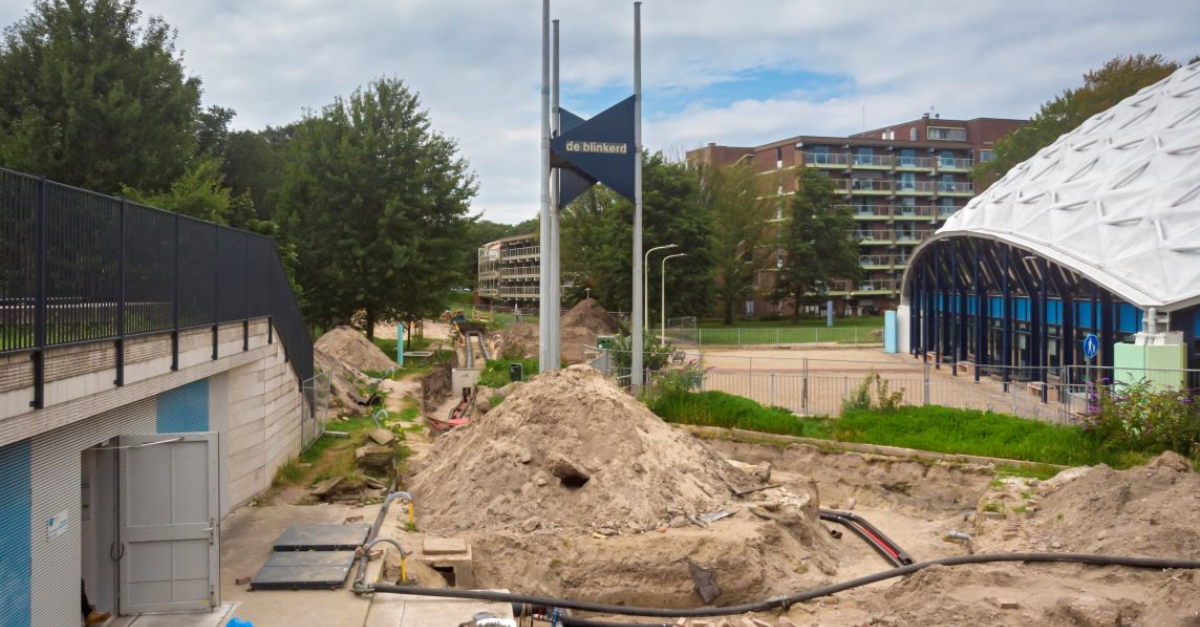
Sport facility the Blinkerd heated with sewage water
Swimming pool and sport facility heated by the local sewer.

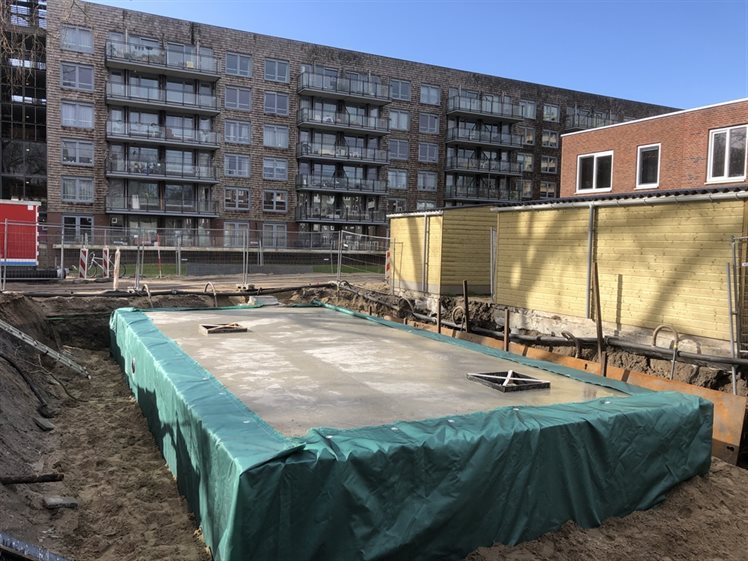
Invisible water buffer: infiltration basement underneath new buildings in The Hague
As a result of climate change, the city of The Hague is faced with more extreme downpours. In order to lessen the burden on its sewer system, local rainwater collection, wherever possible, is important. And because space is limited in the city, the municipality is encouraging new construction projects to collect and store maximal water on the premises. A fine example is the infiltration basement in Cannenburglaan.

More on Impact

Major Dutch cities shift parcel deliveries towards parcel points to reduce urban congestion

Hundreds of households help The Hague capture 81,000 litres of rainwater
