
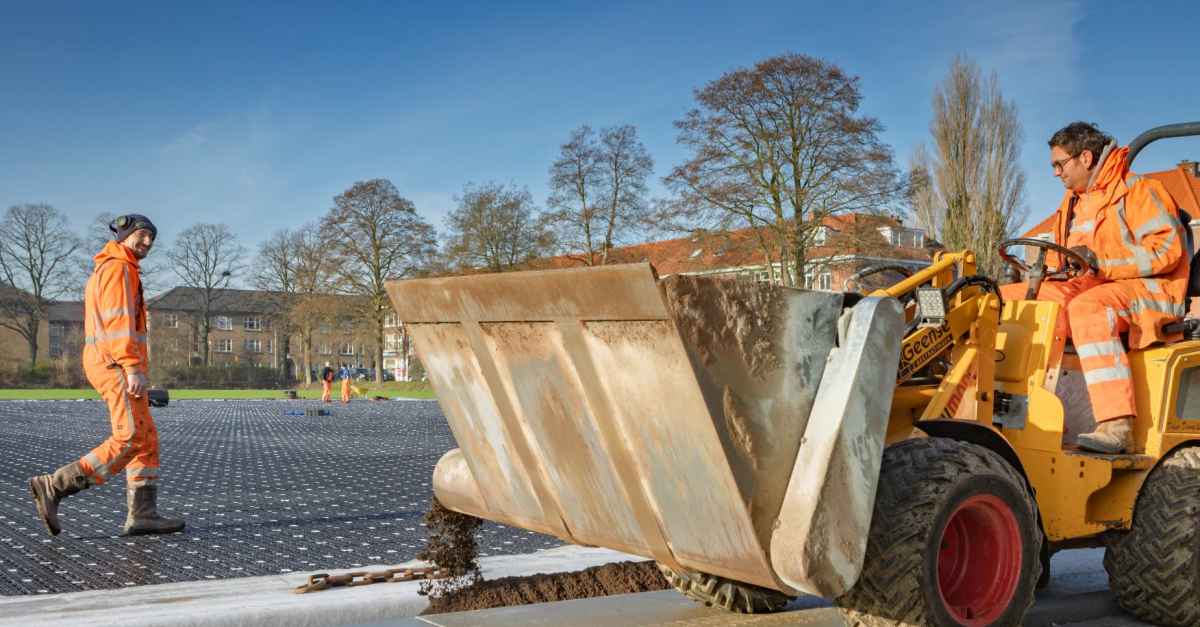
A football pitch in The Hague is set to become an unexpected source of sustainable energy for the surrounding neighbourhood. At the 'Haagse Sporttuin Moerwijk', the municipality has started installing an underground collector field beneath the artificial grass pitches — a system that will soon provide heat for three primary schools and a childcare centre nearby.

Sports pitch powers sustainable heat
The innovative system captures solar heat absorbed by the artificial turf. Beneath the pitch, a network of water-filled pipes collects this warmth and stores it in the ground. When heat is needed, the stored energy is converted into usable heating for the surrounding buildings.
It marks the first collector field of its kind in The Hague. According to alderman Arjen Kapteijns (Energy Transition), who visited the site this week, the project shows how sports infrastructure can play a broader role in the city’s transition to sustainable energy.
“Sport brings people together, and here it also brings sustainable energy to the neighbourhood,” said Kapteijns. “By using the heat captured under the pitch, we can warm nearby schools and childcare facilities while reducing our reliance on fossil fuels.”
Currently, the three schools rely on natural gas for heating. Once connected to the system, their gas consumption is expected to fall by around 75-85%. The shift will reduce annual CO₂ emissions by approximately 30,000 kilograms — comparable to the emissions produced by driving about 250,000 kilometres by car.
Cooler pitches and cleaner energy
The collector field offers an additional advantage for athletes. By drawing heat away from the pitch, the artificial grass remains significantly cooler during warm weather, improving playing conditions. The surface temperature can stay around ten degrees lower than conventional artificial turf.
Construction of the collector system has now begun at Sporttuin Moerwijk, located on Van Ruysbroekstraat in the southwest of the city. Once operational, the project will demonstrate how urban spaces can serve multiple purposes: supporting sport, strengthening local infrastructure and contributing to a more sustainable energy system.

For The Hague, it is a practical example of how neighbourhood-based solutions can help reduce reliance on fossil fuels while improving the urban environment.
Read more
Multi-sport field with water storage and cooling system in The Hague
Den Haag Zuidwest (The Hague Southwest) opens its multifunctional sport field with a cooling down system and water buffer under the field.

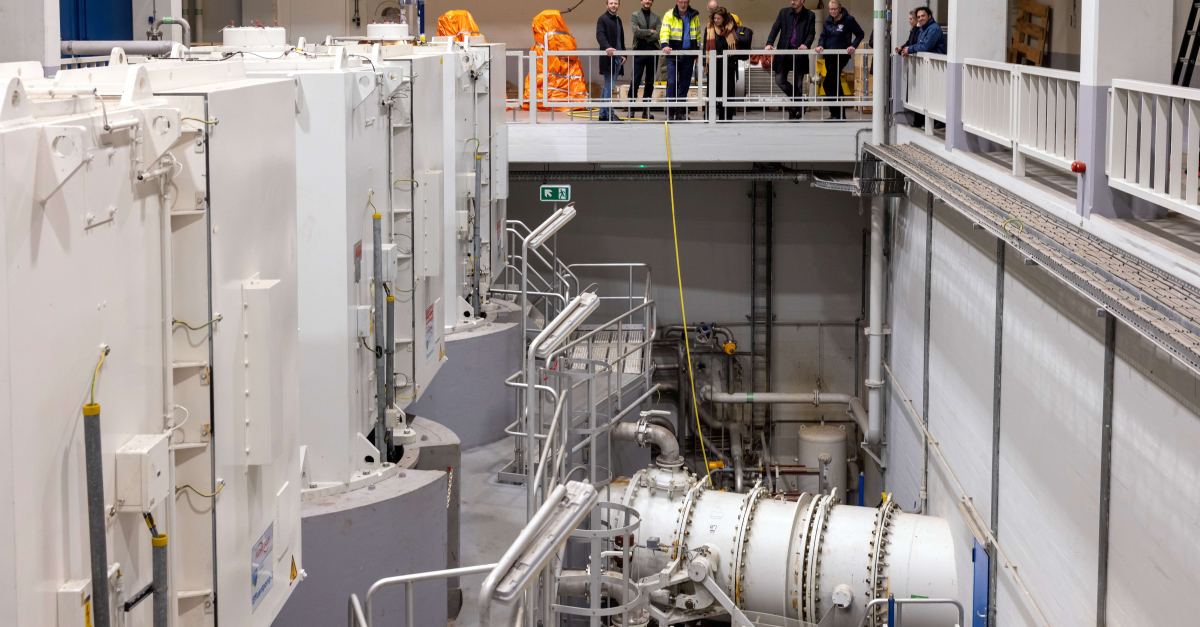
Warmth from the water: how The Hague could heat 20,000 homes with wastewater
The Hague investigates aquathermy with Hoogheemraadschap Delfland, capturing heat from treated wastewater to heat up to 20,000 homes sustainably.
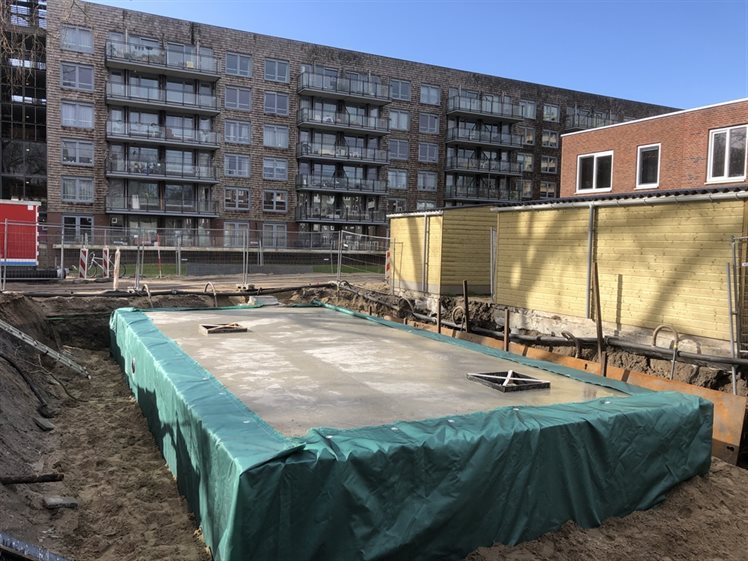
Invisible water buffer: infiltration basement underneath new buildings in The Hague
As a result of climate change, the city of The Hague is faced with more extreme downpours. In order to lessen the burden on its sewer system, local rainwater collection, wherever possible, is important. And because space is limited in the city, the municipality is encouraging new construction projects to collect and store maximal water on the premises. A fine example is the infiltration basement in Cannenburglaan.

More on Impact

Protecting Dutch waterways from crayfish invasion

How a startup in The Hague is protecting our planet and its people
