A coalition of scientists and animal welfare experts has joined an initiative led by World Animal Protection in The Hague, urging the Dutch government to introduce a breeding and import ban on dolphins. The proposal marks a significant step towards a gradual phase-out of dolphin captivity in the Netherlands.
Dolphin welfare debate grows
In a joint statement sent to the House of Representatives, 19 experts argue that keeping dolphins in captivity is incompatible with current scientific understanding of the species. Among the signatories are internationally recognised cetacean specialists Ingrid Visser and Naomi Rose, alongside Dutch animal welfare advocate Femke den Haas and former dolphin trainer Shao Ran.
According to the group, dolphins rank among the most intelligent and socially complex mammals. Their needs—ranging from vast spatial movement to intricate social interactions—cannot be met in artificial environments such as marine parks and zoos. The experts also warn that dolphin shows and visitor interactions present a distorted image of the animals in the wild, offering little contribution to conservation efforts while raising ethical concerns about their welfare.
From its base in The Hague, World Animal Protection is positioning the Netherlands within a broader international trend. Several countries have already moved to ban dolphinaria or tighten regulations
From open seas to confined spaces
Animal rights organisation Bite Back, which supports the initiative, highlights the stark contrast between life in the wild and captivity. Dolphins in their natural habitat travel dozens of kilometres daily, living in dynamic social groups. In captivity, their movement is limited, and individuals are often separated for trade between facilities. Bite Back Director Alex Romijn calls for a clear end date for dolphin captivity in the Netherlands.
Support declines for dolphin attractions
Public sentiment appears to be shifting. Earlier research by World Animal Protection and Ipsos I&O indicates that 74% of the Dutch population no longer supports the Dolfinarium in its current form. A growing number of companies, including NS, ANWB, HEMA, Spar and Lidl, have already stopped selling tickets to the Harderwijk park, reflecting wider concerns about animal welfare.
The debate will gain further visibility during the global ‘Empty the Tanks’ day of action on 9 May, when a protest march is planned in Harderwijk.
With The Hague at the centre of international dialogue on peace, justice and sustainability, the initiative underscores the city’s role as a platform for ethical and policy-driven discussions—now extending to the future of animal welfare in the Netherlands.
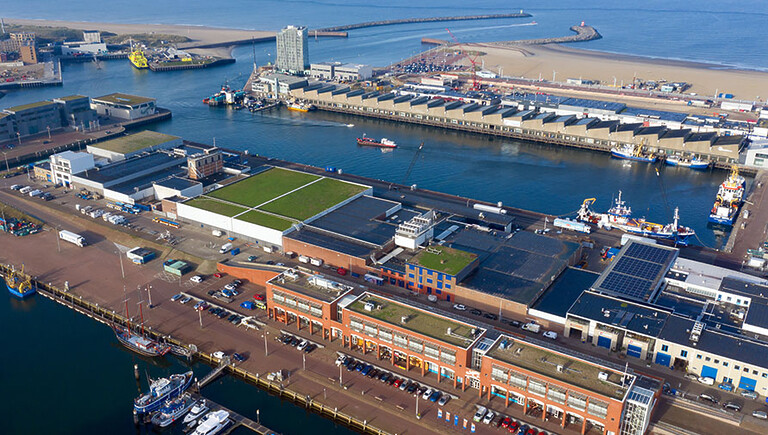
De haven van Scheveningen
Ieder jaar komen meer dan 7.500 schepen naar de haven. Het zijn offshore-, vracht- en koelschepen en visserijschepen. Dat kan niet zonder duidelijke regels.

Time is running out for pangolins
Together, we can transform the lives of animals across the world. Join us to put an end to animal cruelty. Forever.