As the International Court of Justice (ICJ) celebrates its 80th Anniversary, its Judicial Fellowship programme launches a unique Alumni Association, bringing together former students who have learned their trade at the Court over the last 25 years.
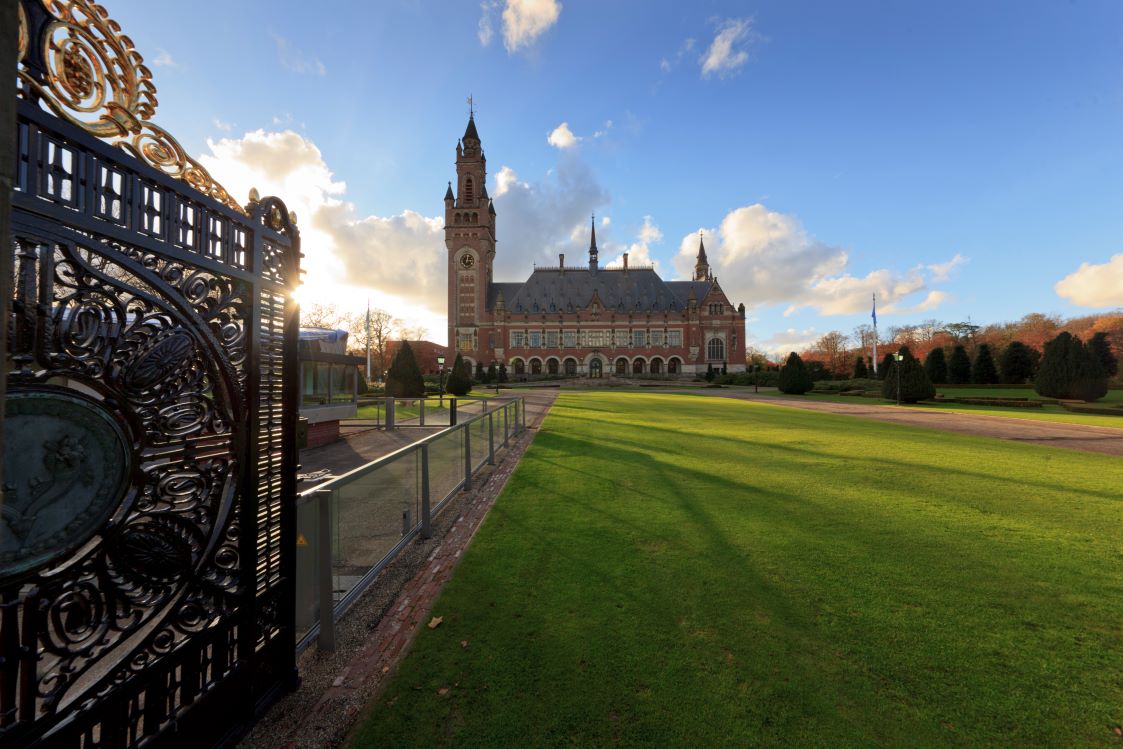
On Friday 17th April 2026, The Hague is marking the 80th anniversary of the International Court of Justice (ICJ). Since 1945, the Court has been the United Nations’ principal judicial body. It was established in the city’s famous Peace Palace, and continues to play a key role in resolving disputes between UN member countries, as well as advising on all matters of international law.
Marking 80 years of International Justice
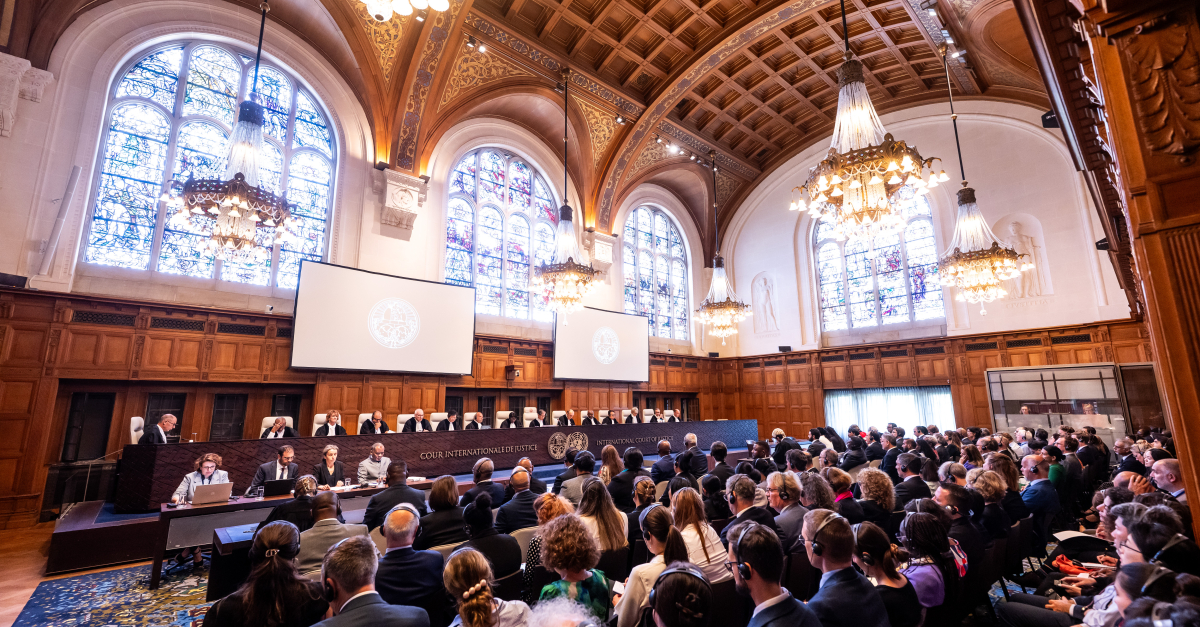
The Court will hold a ‘solemn sitting’ at 15:00 in the Great Hall of Justice of the Peace Palace, marking 80 years since its inaugural session in 1946. The ceremony will be attended by His Majesty King Willem-Alexander of the Netherlands and United Nations Secretary-General António Guterres, as well as many other dignitaries.
The launch of the Alumni Association of the Judicial Fellows Programme
But 2026 also marks another anniversary in the Court’s history. 25 years ago, the first ‘Judicial Fellows’ were selected to support the ICJ’s 15 judges in their daily work. Since then, more than 290 of the world’s most promising law students have had the opportunity to spend a year working on prominent, consequential cases involving international disputes.
Every year, each of the Court’s 15 judges selects a single Judicial Fellow to help them with their caseload. The cohort is small and exclusive, and competition for places is high.
We spoke to two Fellows from the current cohort - Canadian Nickolas Eburne and Karin Araña Chacón from Guatemala - who are coming towards the end of their terms, and have been integral in forming the Alumni Association.
Karin is the first law student from Guatemala to be selected as a Judicial Fellow. She was selected as part of the 2025-26 cohort, and moved to The Hague in September.
Judicial Fellows Programme, a truly global network
The Fellowship Programme has evolved considerably in the last quarter of a century. Initially intended to provide administrative support to ICJ judges, students were selected from a single university in New York.
Since then the project has expanded and is now reflective of the truly global nature and remit of the Court. Once only accessible to a handful of the richest universities, a trust funded by the United Nations has opened the programme up to students from all over the world, meaning people from different backgrounds and nationalities can benefit from working at the ICJ.
Since 2001, more than 290 Judicial Fellows from 75 countries have passed through the programme. Famous alumni include international human rights lawyer, Amal Clooney - as well as an eclectic mix of academics, authors and international arbitration experts.
More than 80 current and former Judicial Fellows are expected to attend the first Alumni Association event, which is being held alongside the ICJ celebrations on 17th April at the Auditorium of the Academy Building.
Caption: ICJ-CIJ/Frank van Beek. Courtesy of the ICJ. All rights reserved.
At the centre of the Judicial Fellowship programme is The Hague itself. As well as being the home of the ICJ, it is a global hub for international collaboration, and a natural place for the alumni to gather and celebrate their shared experiences at the Court.
Read more
ICJ climate opinion raises legal bar for states’ climate action
ICJ rules states have legal climate duties under international law, raising global standards for action. Advisory Opinion marks major shift.


King Willem-Alexander to attend 80th anniversary of International Court of Justice
On Friday 17 April His Majesty King Willem-Alexander will attend a special session of the International Court of Justice (ICJ) at the Peace Palace in The Hague to mark its 80th anniversary.

Judicial Fellowship Programme
The Judicial Fellowship Programme, formerly known as the University Traineeship Programme, was established in 1999 to enable recent law graduates to gain professional experience by working for the International Court of Justice. The programme aims to improve participants’ understanding of public international law in practice and the Court’s procedures by directly involving them in the activities of the Court.
