The Hague’s city council has approved a development strategy and public space plan for Laakhavens Hollands Spoor, marking an important step in the expansion of the Central Innovation District (CID). The plans aim to transform the area near Hollands Spoor station into a mixed urban district with housing, workplaces, public facilities, and green spaces.
Laakhavens Hollands Spoor is one of eight development areas within the Central Innovation District, the city’s main inner-city growth zone, which will double the size of The Hague’s centre – unique in the Netherlands due to its scale. The CID stretches between The Hague Central, Hollands Spoor, and Laan van NOI stations, connecting key transport hubs with knowledge institutions, companies, and research centres in an urban environment.
A district built around working, learning, and innovating
The Central Innovation District is designed as a place where people can work, learn and innovate in close proximity. The area brings together universities, startups, established companies, and public institutions, creating opportunities for collaboration and knowledge exchange.
Alongside economic activity, the district will also provide space for housing and urban amenities. The Laakhavens Hollands Spoor strategy enables the construction of around 11,400 homes, together with facilities for businesses, education, culture, hospitality, and retail.
Several residential and mixed-use developments are already underway near Waldorpstraat and the Megastores area, while the new strategy provides a framework for how the district will continue to grow over the coming years. The municipality will guide the transformation in cooperation with developers, investors, and local stakeholders.
A greener approach to urban growth
A key focus of the plan is the creation of high-quality public spaces and climate-resilient urban design. To enhance the quality of life of its residents and users, the municipality is investing heavily in sustainable neighbourhoods. The strategy includes a new city park, greener streets, and public squares designed to encourage walking, cycling, and social interaction.
The municipality also aims to introduce low-traffic streets and improve connections between neighbourhoods and transport hubs. Trees, water management systems, and climate-adaptive infrastructure will help address heat stress and support biodiversity in the dense urban environment.
These measures are part of the CID’s broader green strategy, which seeks to combine urban growth with sustainable public space and improved liveability.
- 11,400 new homes
- A large new city park
- Creative workspaces and businesses
- Shops, restaurants and community facilities
- Greener streets and public squares
- Autoluw (car-free) streets prioritising walking and cycling
The municipality will collaborate with development partners such as COD, Amvest, Atenor, Ten Brinke, MyB and MS Vastgoed to deliver parts of the project, particularly in the Laakhaven Centraal area near the Megastores.
Read more
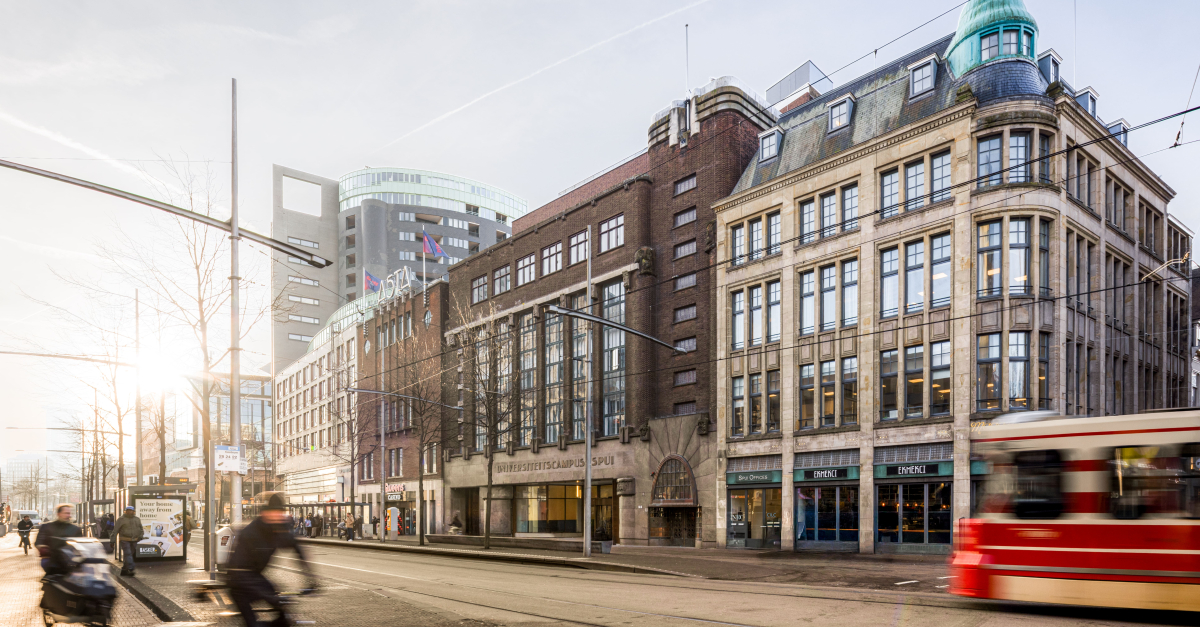
A new university campus and knowledge hub in the heart of The Hague
A former V&D store in The Hague is transformed into University Campus Spui, a knowledge hub for education, research and policy ...


Central Innovation District
In 2040 is het Central Innovation District dé plek om te wonen, werken, leren, innoveren en ontspannen.

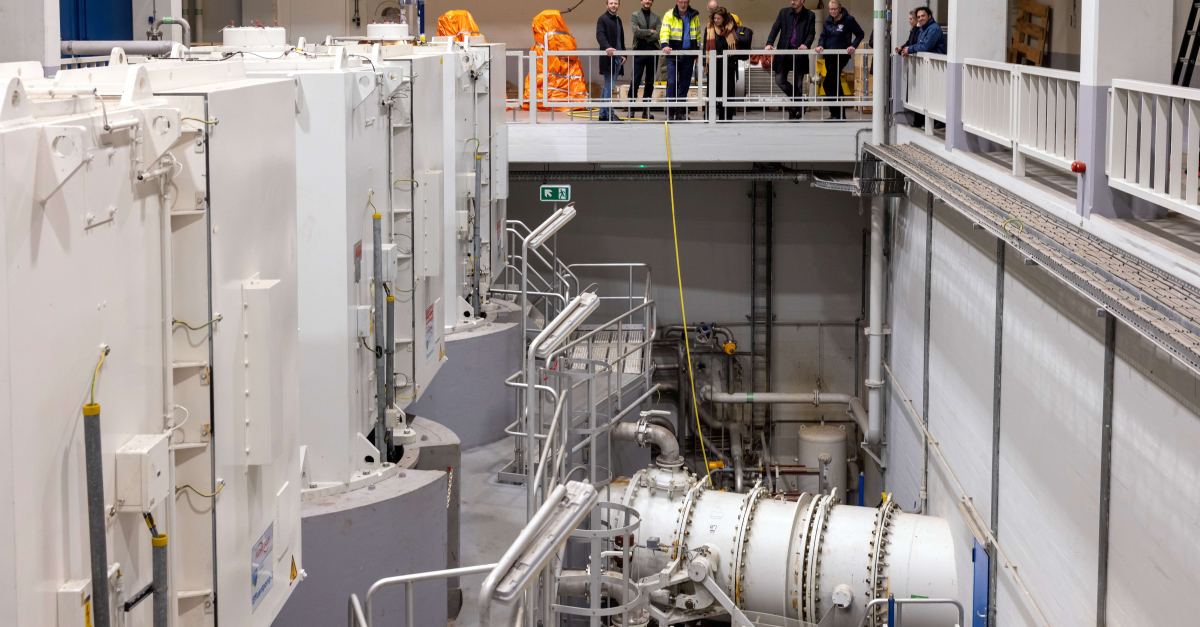
Warmth from the water: how The Hague could heat 20,000 homes with wastewater
The Hague investigates aquathermy with Hoogheemraadschap Delfland, capturing heat from treated wastewater to heat up to 20,000 homes sustainably.