The Equal Trade Alliance (ETA) is a non-profit organisation based in The Hague which is fighting for a fairer distribution of wealth between Africa and the West.
Who really gets rich from chocolate?
For decades, Western countries have generated billions of dollars from the trade of raw materials sourced from African nations, while the farmers who produce the essential ingredients receive only a small fraction of the total value. The vast majority of the revenue is shared between other stakeholders in the value chain - including manufacturers, retailers, and transport companies.
For now, the ETA is focused on chocolate. Much of Europe’s cocoa supply is produced by farmers in Ghana and shipped through the port of Amsterdam. This generates tens of billions of dollars in revenue for the chocolate industry - but only around 6% ends up in the hands of the farmers.
Towards Equal Trade in Chocolate
ETA has surveyed farmers on the ground in Ghana and is delivering their stories back to chocolate manufacturers, lawmakers, and - crucially - young people in the West in a bid to drive awareness and change. They have called this initiative Equal Trade Chocolate Tastes Better and its goals are to implement a fair profit distribution model and deliver greater autonomy to Ghanaian cocoa farmers.
Fairtrade only goes so far
The issue of poverty within African farming communities is not new. For many years fair trade initiatives have tried to address the problem by raising prices to consumers and passing the extra profit back to the farmers. There is certainly willingness on the part of consumers in the West to contribute more for the finished products, but ETA believes this model does not provide a sustainable solution.
Making Chocolate Fairer — Together
From its headquarters in The Hague, ETA is well-placed to petition the Dutch government and lobby major manufacturers, but it recognizes that the most powerful driver for change comes from young people. It has established networks within schools and universities both in Africa and the West, and its social media campaigns are all focused on making sure young people understand what is at stake.
The petition for the Equal Trade Chocolate Tastes Better campaign runs until 22 September 2026.
Read more
Africa In Motion
Africa In Motion (AIM) strives to accelerate the sustainable social economic development of Africa. The expertise on realizing this circulair economy is worldwide available, but the bridge between solutions and challenges has not been made efficiently.
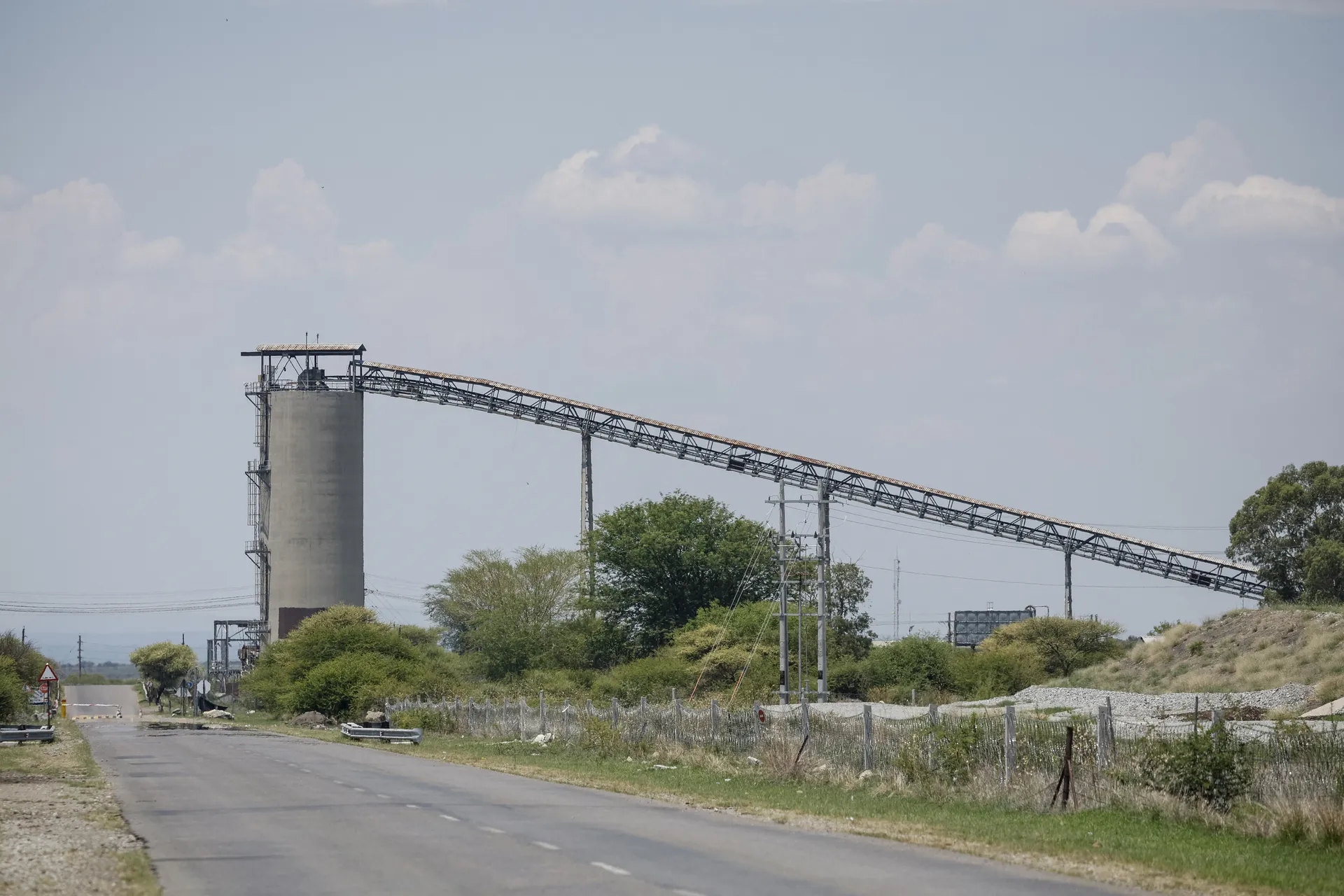
Equal Trade is better for Africa than Fair Trade
Since the introduction of Max Havelaar coffee in 1988, the Fair Trade certification has made unstoppable global progress. In line with the transition from "aid to trade," the product range has expanded from food to clothing and soccer balls. Through improved trading conditions, the position of millions of farmers and plantation workers worldwide has improved, and the environment is being protected. Despite all efforts, however, poverty in Africa continues to rise. Therefore, it is high time to take the next step: from Fair Trade to Equal Trade.

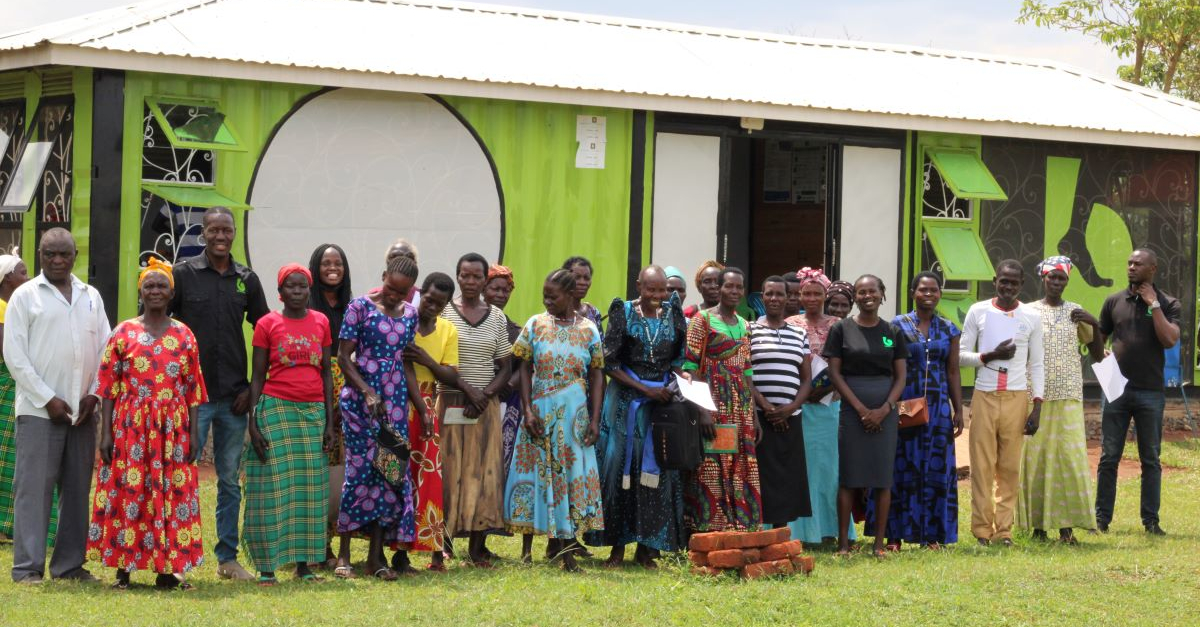
BarefootLaw celebrates ten years of Legal Innovation that has helped thousands in Grassroots Communities to access justice
BarefootLaw 10 years legal innovation grassroots communities to access justice in The Hague.
